How Do You Make the Color Orange? Mixing Orange Frosting and Icing
Published How we research
You make orange by mixing yellow and red, and for frosting the reliable starting ratio is about 2 parts yellow to 1 part red, added in tiny amounts. Start with the yellow, then add red a speck at a time, because red overpowers yellow quickly and one drop too many gives you coral or pink. Below are the exact steps for buttercream, fondant and royal icing, the variations (pumpkin, peach, burnt orange), and what to do when the shade drifts.
Products from this article
The highest-scoring picks from the buying guides this article links to. Scores are our editorial assessment, not customer ratings.
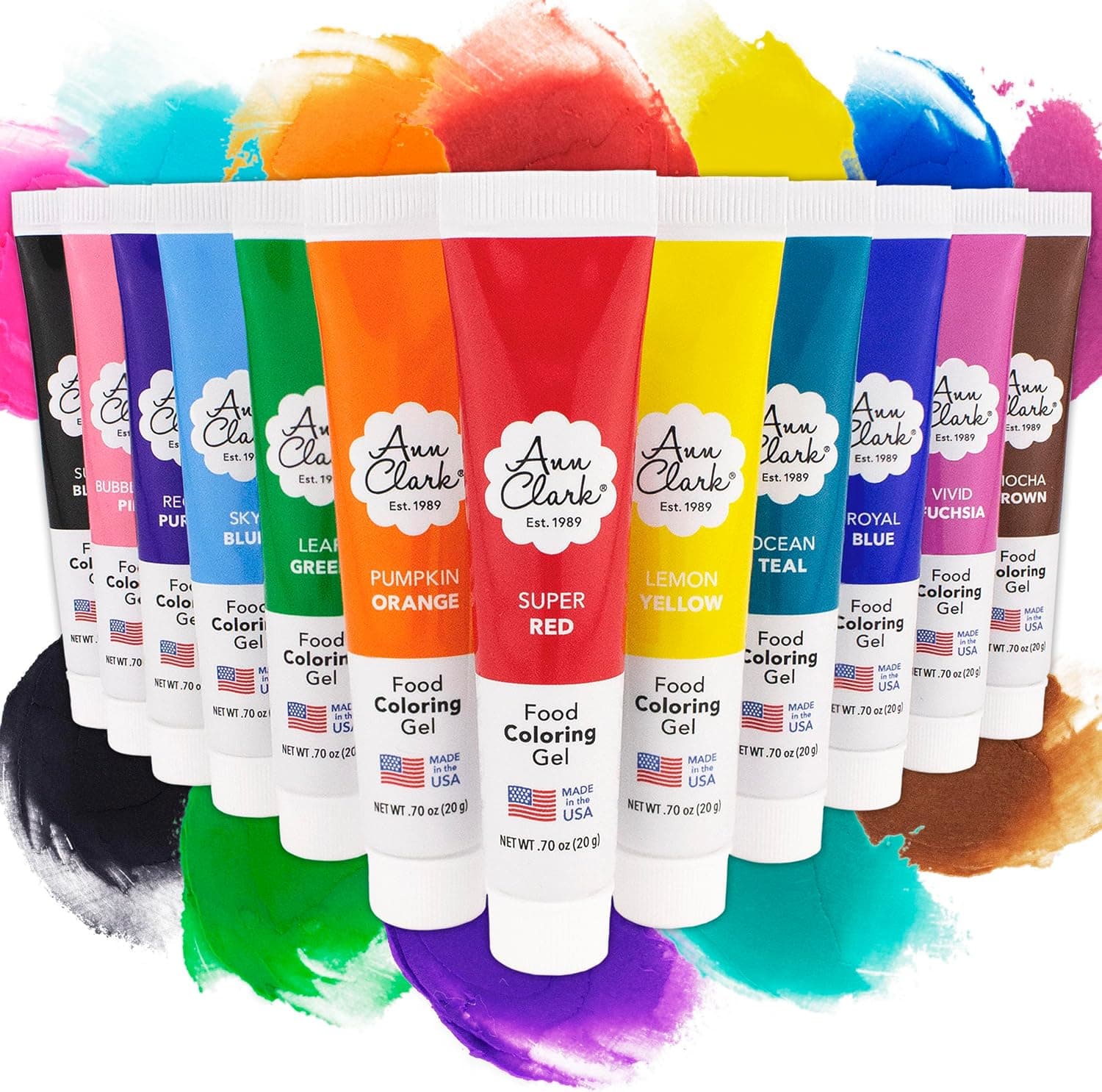
+ Made in USA professional-grade gels give reliable, strong color
From our guide: Best Gel Food Coloring for Buttercream and Fondant
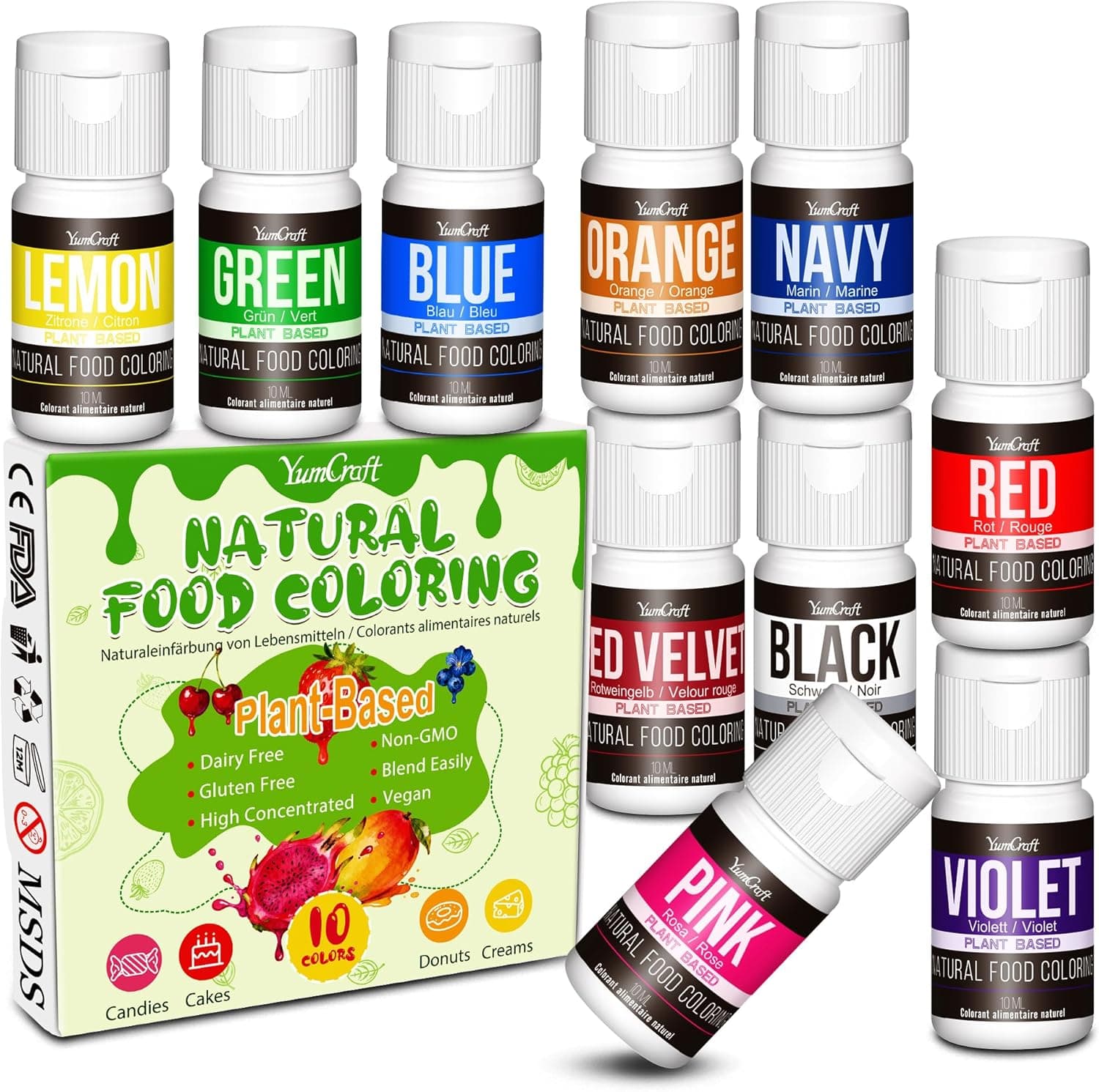
+ Plant-based, non-GMO dyes suit families avoiding artificial colors
From our guide: Best Natural Food Coloring: Plant-Based Dyes That Work
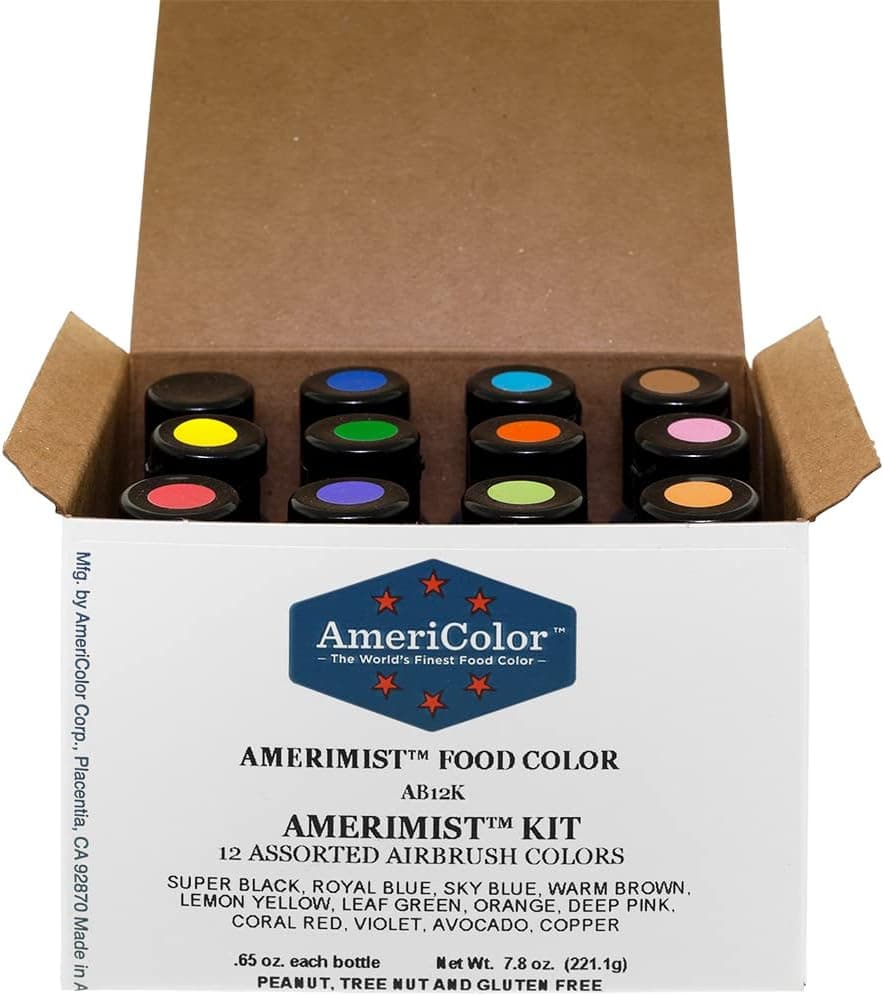
+ AmeriMist is a go-to airbrush color line among cake decorators
From our guide: Best Airbrush Food Colors for Smooth, Even Cake Coverage
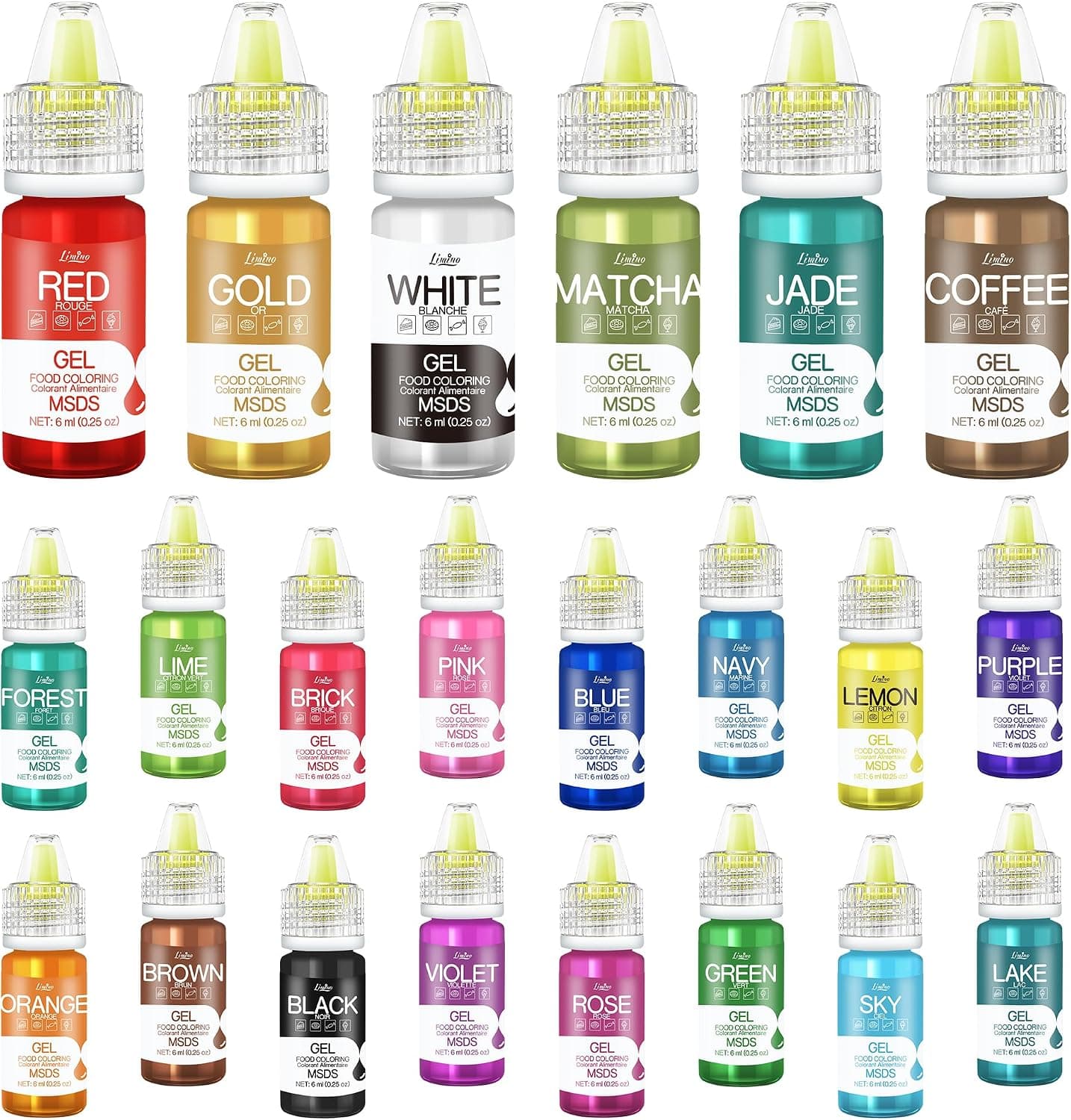
+ 22 colors reduce the need to mix custom shades from scratch
From our guide: Best Gel Food Coloring for Buttercream and Fondant
The basic mix: yellow first, then red
Color mixing in frosting works the same way as with paint: orange sits between red and yellow on the color wheel. The catch is that red is far stronger than yellow in most food colorings, so the order matters. Put your frosting in a small bowl, add yellow until you have a clear, slightly deeper yellow than you want the final orange to be, then add red with a toothpick, one dab at a time.
A workable starting point is roughly 2 parts yellow to 1 part red by drops. For a cup of frosting that often means 4 to 6 drops of yellow and 2 to 3 of red with gel color, but concentration varies by brand, so treat these numbers as a starting range, not a recipe. Mix fully after every addition. Color looks different in the first minute than it does once the frosting is fully blended, and stopping to scrape the bowl prevents streaks that look like a mixing mistake.
Use a small spatula or the back of a spoon to fold the color in rather than whipping, which adds air bubbles and lightens the shade. Do your mixing in a bowl with a white or neutral background, and check it in daylight if you can, because warm kitchen bulbs push every shade toward yellow.
Why gel color beats liquid for orange
Gel and paste colors are concentrated, so a few drops tint a whole batch without thinning it. Liquid supermarket drops are weak, and getting a true orange from them means adding so much liquid that buttercream turns soft and can split. If you are mixing your own orange, use gel yellow and gel red (or a ready-made orange gel as your base) and keep liquid out of the bowl.
Many gel sets include an orange already. A ready-made orange is the easiest route when you want a consistent shade across batches, since you can still nudge it with a speck of yellow for a lighter tone or red for a deeper one. Mixing your own is worth it when you need an in-between shade a bottle does not offer, or when you run out and need to match a color you already made.
Pick a red that is labeled as no-taste or a true red rather than a pink-leaning one. A pink-leaning red (it often reads as slightly blue) pulls your orange toward coral, because it brings a little blue into the mix. If the orange looks dull or muddy, that stray blue is usually the reason.
Starting from the right frosting
The color of your base changes the result. Buttercream made with real butter starts a pale yellow, which makes orange easy: you need less yellow and mostly add red. Buttercream made with shortening, or with a lot of white sugar and clear vanilla, starts closer to white, so you need to build up the yellow first. Cream cheese frosting and some whipped toppings also tint differently, usually staying a bit paler.
If your butter-based frosting is yellow and you want a clean, bright orange, you may need less yellow than you expect. Add the red first in a very small amount, check the shade, then add yellow only if it still looks too pink. If you need a pure, cool-toned color somewhere else on the cake, remember that buttery frosting pushes every color warmer, so orange is a forgiving shade on it.
For a basic buttercream recipe and the ratios behind it, see our guide on making buttercream frosting from scratch. Starting from a smooth, well-beaten base makes color mix evenly the first time.
Pumpkin, peach, burnt orange and other shades
Bright orange is a baseline. For pumpkin orange, mix the bright orange and add a very small amount of brown, or a tiny touch of green or blue, to take the edge off. The complementary color of orange is blue, so even a speck of blue or violet dulls it to a more natural, earthy pumpkin. Go slowly: one toothpick dab can be enough for a cup of frosting.
For peach, start with white frosting and add a small amount of orange, then a touch of pink or a little extra yellow. Peach is mostly white, so you are tinting lightly. For a coral, add more red than yellow. For a burnt orange or rust shade, deepen the orange with red and add brown. A small amount of cocoa powder also works in buttercream, though it adds flavor and thickens the frosting a little.
Pastel orange is just a light tint. Rather than adding less color to a big batch, mix a small amount of strong orange in a separate dish, then fold that into the white frosting a little at a time. It gives you control and an even result.
Fondant, royal icing and airbrush
Fondant: knead gel color into white fondant with gloves on, since gel stains your hands. Add the yellow first, then red, and knead until no streaks remain. Fondant needs more color than frosting does to look equally bright, and adding a lot of gel makes it sticky, so if you need a deep orange it is easier to start with a ready-colored orange fondant. Wrap leftover fondant tightly so it does not dry out.
Royal icing: color is easier to judge if you make the shade slightly deeper than you want, as the color can look different after the icing dries. Mix the color into the icing before thinning it for flooding, so the shade matches across the batch. Keep a small bowl of the original mix to color-match later.
Airbrush: ready-made airbrush colors are thin and made for the airbrush, so mixing your own orange from yellow and red works the same way as for frosting, with a few drops of each in a clean cup. Test the spray on a scrap before the cake, since airbrushed color builds up in layers.
Natural options for orange
If you want to avoid artificial dyes, natural orange comes from plant-based colorings and powders. Colorings made from vegetable and spice extracts are sold in bottles for this purpose, and some bakers use carrot or sweet potato powder, or a little paprika. Natural orange is usually softer and more pastel than gel, and powders can add a slight flavor and a bit of texture to the frosting.
Natural colors also react to their environment. Some shift with the acidity of the frosting, some fade in strong light, and none match the saturation of a gel. Plan on a warm peach or golden orange rather than a bright traffic-cone shade, and add the color early so you can judge it after it rests.
Fixing orange that went wrong
Too pink or red: add yellow a drop at a time. If you have overshot by a lot, it is often easier to set aside half the batch and mix a fresh, yellower portion, then combine them. Too yellow: add a small dab of red. Too light: add more of the strong orange, mixed first in a small dish, rather than more yellow.
Color deepens as it sits. Gel colors continue to develop for several hours, so a shade that looks slightly pale right after mixing can be right by the next morning. If you have time, mix the frosting a few hours ahead, cover it with plastic wrap pressed on the surface, and adjust after it has rested. Very deep shades can taste bitter from the red, which is covered in our guide on bitter red and black buttercream.
If the shade looks dull and gray-brown, you have likely added too much of a complementary color or used a red with a blue lean. Start a fresh small batch rather than trying to rescue it with more color, then blend the good batch into it.
Frequently asked questions
What two colors make orange? Yellow and red. For frosting, start with about 2 parts yellow to 1 part red and adjust a speck at a time.
How do you make orange without red food coloring? You can use a ready-made orange gel, or a natural orange coloring such as carrot or sweet potato powder. Mixing pink and yellow also gives a soft orange or peach, though it will not be as strong as true red and yellow.
How do you make a darker orange? Add a little more red, and a touch of brown for a burnt or pumpkin shade. Let the frosting rest for a few hours, because the color deepens with time.
Why does my orange frosting look pink? Too much red, or a red with a bluish lean. Add yellow until the shade corrects, and use a small amount of red in the first place.
Popular right now
- Russian Piping TipsArticle
- Stacking Tiered CakesArticle
- Best Fondant Cutters for Shapes, Flowers, and DecorationsBuying guide
- Piping Rosettes and BordersArticle
- Edible Glitter and Cake SparkleArticle
- Best Edible Markers for Cookies, Fondant, and Cake DetailsBuying guide
Based on the last 28 days of search and visitor data.