How to Make Deep Red and Black Buttercream Without Bitterness
Published How we research
Deep red and true black buttercream are popular for holiday cakes, themed birthday cakes and bold lettering, but they are notoriously tricky. Adding lots of food colouring can make buttercream taste bitter, turn a strange shade and bleed into nearby white icing. The good news is that dark colours develop over time, and a few techniques reduce how much colouring you need.
Products from this article
The highest-scoring picks from the buying guides this article links to. Scores are our editorial assessment, not customer ratings.
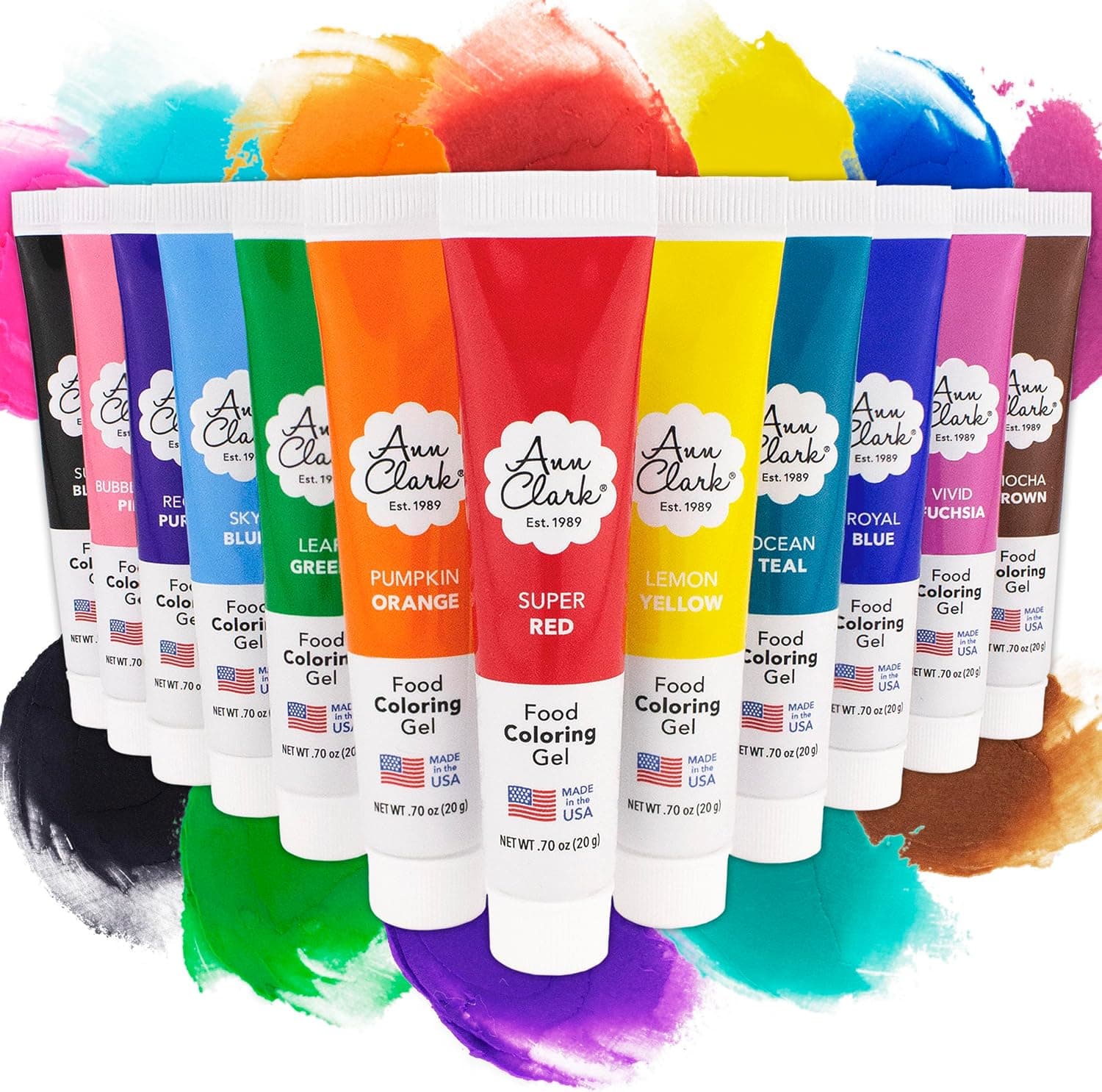
+ Made in USA professional-grade gels give reliable, strong color
From our guide: Best Gel Food Coloring for Buttercream and Fondant
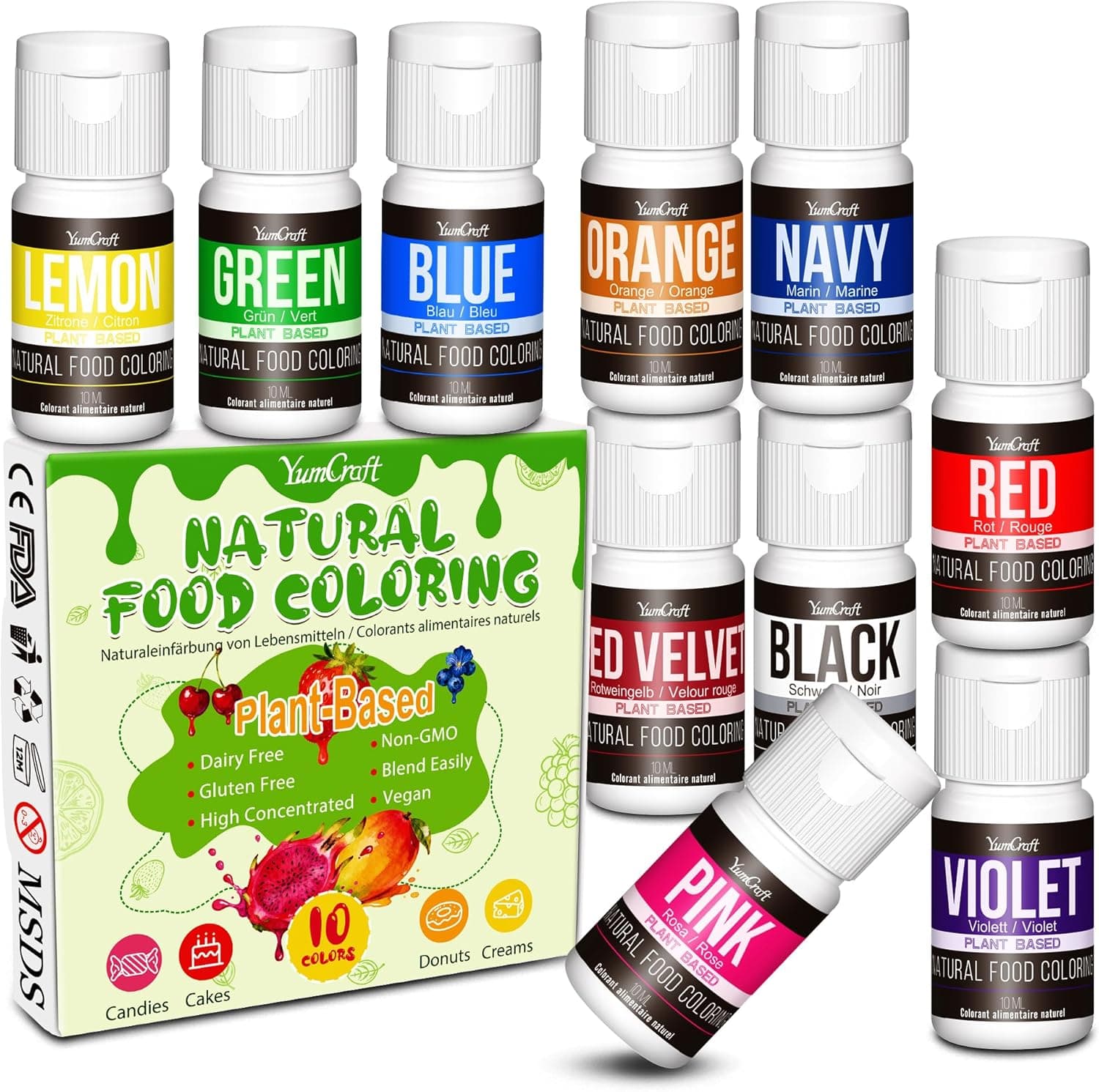
+ Plant-based, non-GMO dyes suit families avoiding artificial colors
From our guide: Best Natural Food Coloring: Plant-Based Dyes That Work
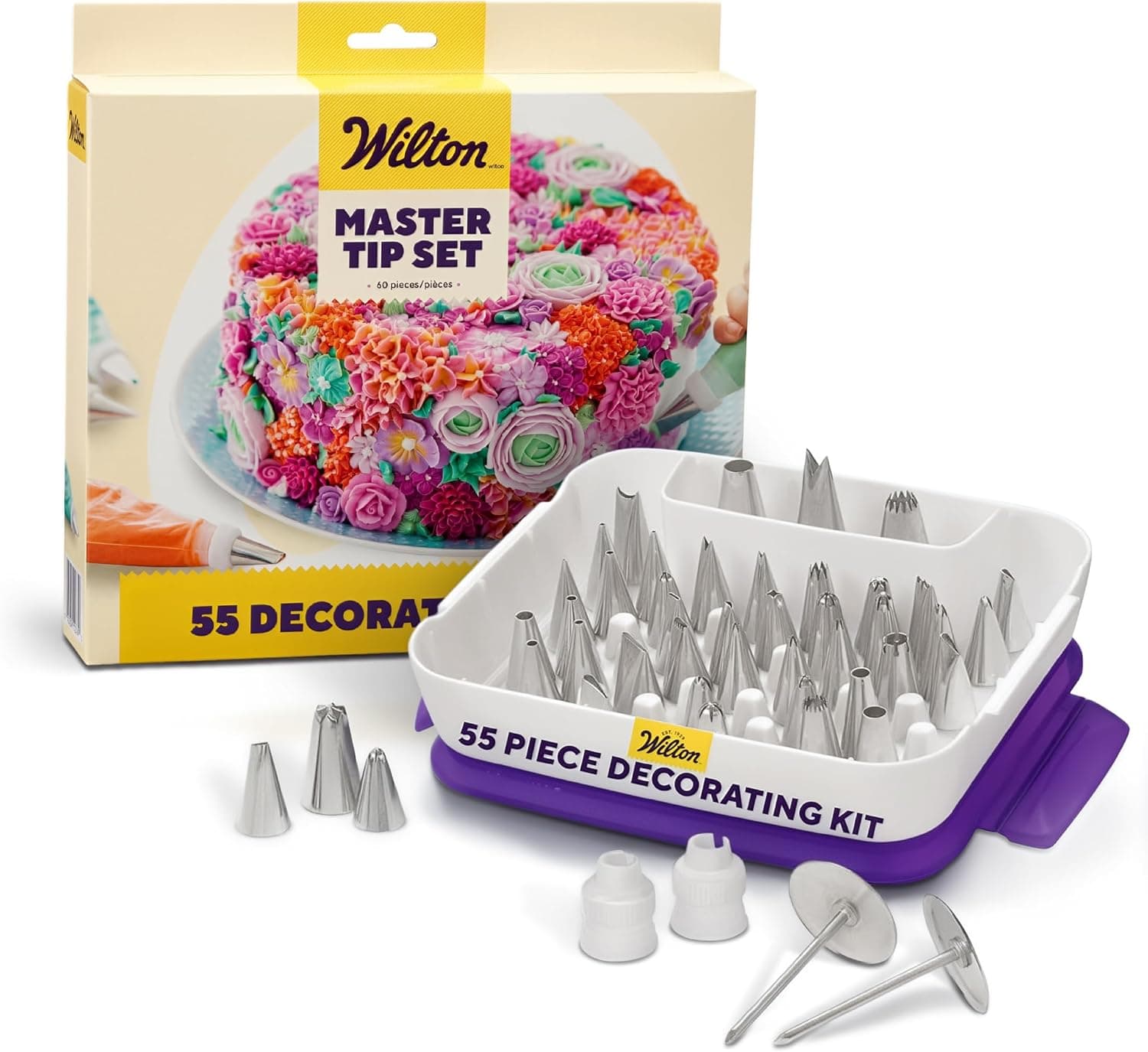
+ 55 pieces cover writing, star, petal, leaf and specialty tips in one kit
From our guide: Best Piping Tip Sets for Cake Decorating
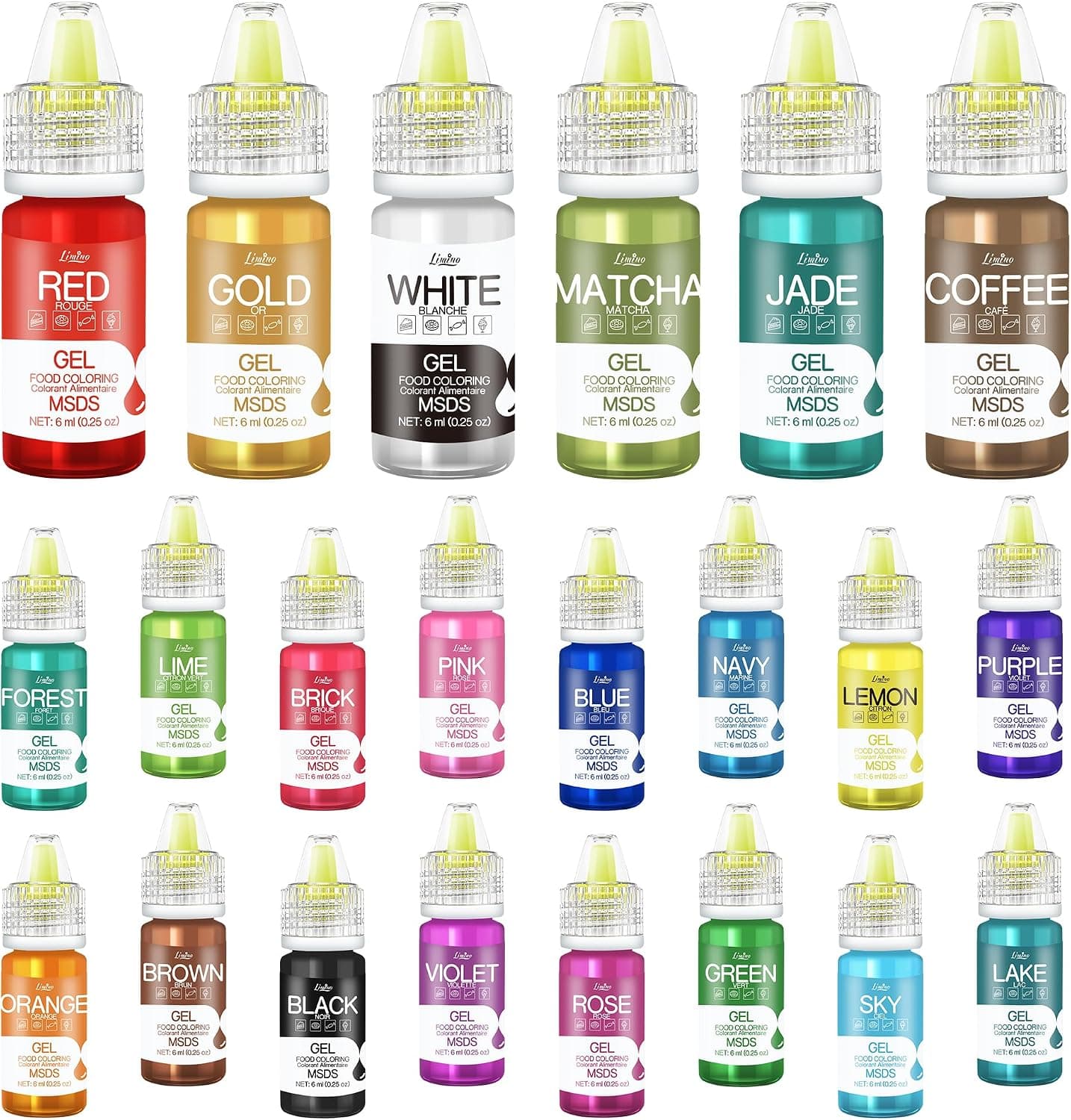
+ 22 colors reduce the need to mix custom shades from scratch
From our guide: Best Gel Food Coloring for Buttercream and Fondant
Why deep colours cause problems
Pale buttercream needs a large amount of colouring to reach saturated reds and blacks. High concentrations of some food colourings can taste bitter or chemical, especially black and red gel colours.
Excess colouring also increases staining on teeth and hands and makes colour more likely to migrate into lighter frosting over time, particularly in warm or humid conditions.
Let colour develop
Buttercream colours darken as they sit, often for several hours or overnight. Mix buttercream to a few shades lighter than the final colour, cover it and let it rest.
Colour deepens in the refrigerator as well. Plan ahead so you can colour frosting the day before decorating and use less colouring overall.
Start with a darker base
For black buttercream, start with chocolate buttercream made with dark cocoa or black cocoa powder. The brown base needs far less black gel to reach a deep colour.
For red, start with a pink or orange-tinted base, or use red colour formulated to be no-taste. Some decorators add a small amount of cocoa to red frosting to deepen it.
Use quality gel colours
Highly concentrated gel colours require less product than liquid colours, reducing flavour changes and thinning. Choose colours marketed as no-taste or suited for dark shades.
Warm a small portion of coloured buttercream briefly in the microwave, then mix it back into the batch. Gentle warming can intensify colour, but avoid melting the buttercream.
Prevent bleeding
Colour bleeding happens when moisture carries colour into lighter icing. Use firm buttercream, avoid overly wet fillings next to dark colours and keep cakes cool.
Pipe dark details close to serving time when possible, or chill cakes after decorating. For royal icing on cookies, let base layers dry fully before adding dark details.
Balance flavour
If buttercream tastes slightly bitter, adding a little vanilla, a pinch of salt or more butter can help balance flavour. Chocolate buttercream masks bitterness better than vanilla.
Use dark colours as accents rather than covering an entire cake when possible. A white or chocolate cake with red or black details still gives a bold look.
Popular right now
- Russian Piping TipsArticle
- Stacking Tiered CakesArticle
- Best Fondant Cutters for Shapes, Flowers, and DecorationsBuying guide
- Piping Rosettes and BordersArticle
- Edible Glitter and Cake SparkleArticle
- Best Edible Markers for Cookies, Fondant, and Cake DetailsBuying guide
Based on the last 28 days of search and visitor data.