How to Stop Fondant From Cracking and Tearing
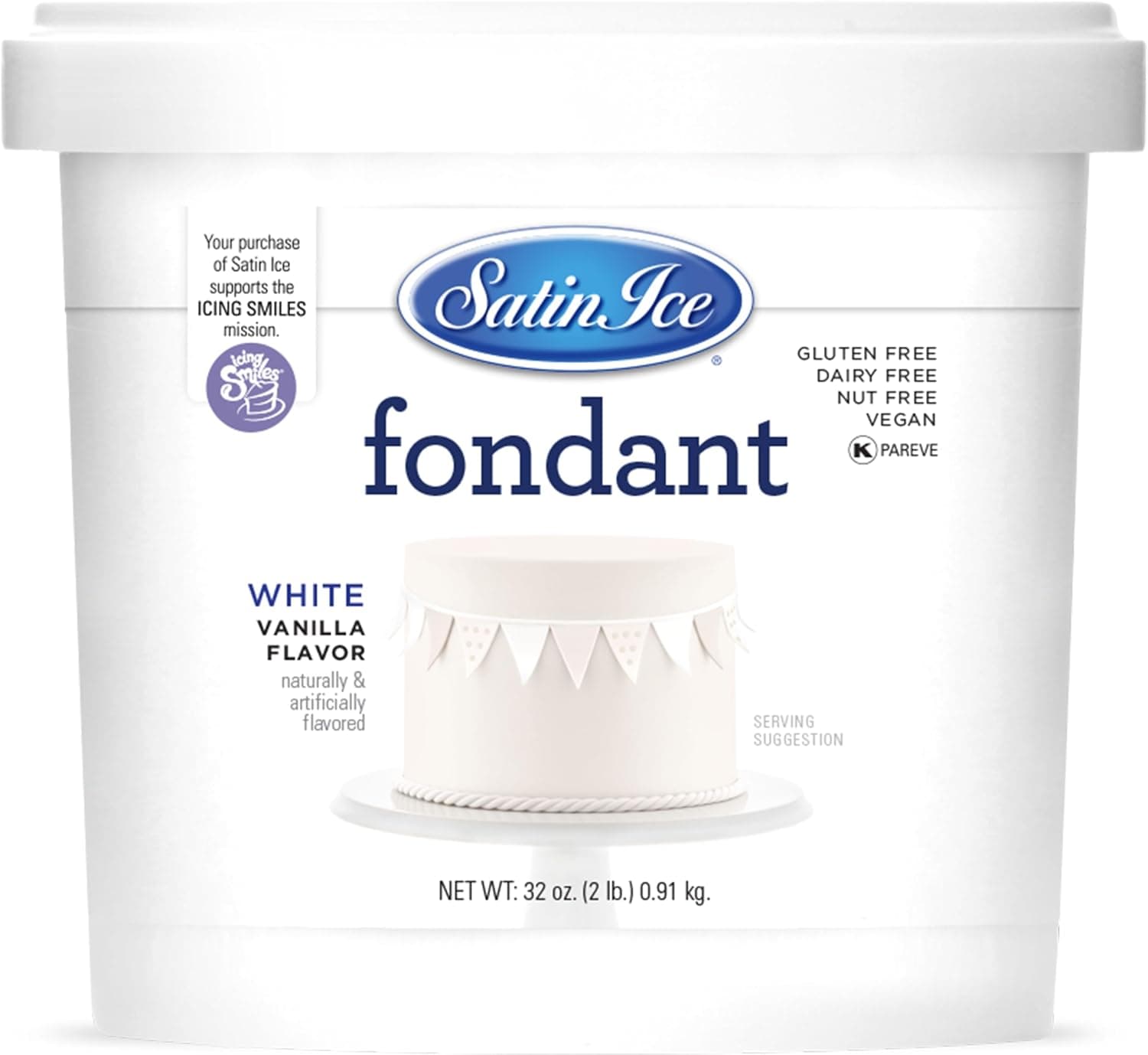
Fondant should drape smoothly over a cake, but it often develops a wrinkled, dry texture called elephant skin, cracks along the top edge or tears as it is smoothed down the sides. These problems usually come from fondant that has dried out, been rolled too thin, over-dusted with sugar or cornstarch, or handled too slowly. With a few adjustments, even beginners can get a clean, crack-free finish.
Why fondant cracks
Fondant is made of sugar, fats and gums, and it starts to dry as soon as it is exposed to air. As the surface dries, it loses stretch, so pulling it over the edge of a cake creates cracks and the crinkled surface known as elephant skin.
Using too much cornstarch or powdered sugar when rolling draws out moisture and speeds drying. Cold fondant straight from a cool room is also stiff and tears more easily.
Knead until pliable
Knead fondant thoroughly before rolling until it feels soft, stretchy and warm. Microwaving a small piece for a few seconds can help very firm fondant, but heat gently to avoid melting sugar.
Adding a small amount of vegetable shortening while kneading restores flexibility. Avoid adding too much, since excess fat makes fondant sticky and weak.
Roll to the right thickness
Fondant rolled too thin tears as it drapes over cake edges, while very thick fondant is heavy and prone to cracks. Many decorators roll to about 1/8 to 1/4 inch thick.
Use rolling pin guide rings or spacers for even thickness. Roll from the centre outward and lift and turn the fondant often to prevent sticking.
Work quickly and cover unused fondant
Once rolled, move quickly to cover the cake, since fondant dries while waiting. Keep unused fondant wrapped tightly in plastic wrap and stored in an airtight container.
Smooth the top first, then gently lift and flare out the sides to ease fondant down without pulling. Use your palms and a fondant smoother rather than stretching the edge.
Fix small cracks
Rub small cracks gently with warm fingertips or a little shortening to blend them. Fondant smoothers help polish surfaces after repairs.
Larger cracks can be hidden with decorations such as borders, flowers or ribbons. For severe tears, remove fondant and start over with freshly kneaded fondant.
Check your buttercream base
Fondant needs a firm, smooth base. Chill buttercream-covered cakes until firm and smooth any bumps before applying fondant.
Lightly mist or brush chilled buttercream with water or piping gel only if needed for adhesion. Too much moisture makes fondant slide or dissolve.