How to Stop Filling Bulging Out of a Layer Cake
A cake can look perfect when finished, then hours later develop a bulge around the middle where filling pushes against the frosting. This is often called a cake blowout or bulge. It happens as cake layers settle, air escapes and soft fillings are squeezed outward. Preventing it involves building a stable structure, controlling temperature and giving cakes time to settle before final decorating.
Why cakes bulge
Freshly stacked cakes settle as gravity compresses layers and fillings. Air trapped between layers and within soft fillings can push outward as the cake warms or settles.
Soft fillings such as jam, curd or whipped cream spread under weight. Heavy decorations and fondant increase downward pressure.
Pipe a buttercream dam
Before adding soft fillings, pipe a ring of stiff buttercream around the edge of each layer. This dam holds filling in place and prevents it from spreading outward.
Keep filling layers slightly below the height of the dam. Use stiff buttercream for dams, since soft frosting can collapse.
Let cakes settle
After stacking and crumb coating, let the cake settle for several hours or overnight in the refrigerator. Some decorators place a light weight, such as a flat board, on top to encourage settling.
Once settled, apply the final coat of buttercream or fondant. Bulges that appear during settling can be smoothed before final decorating.
Level layers and avoid air pockets
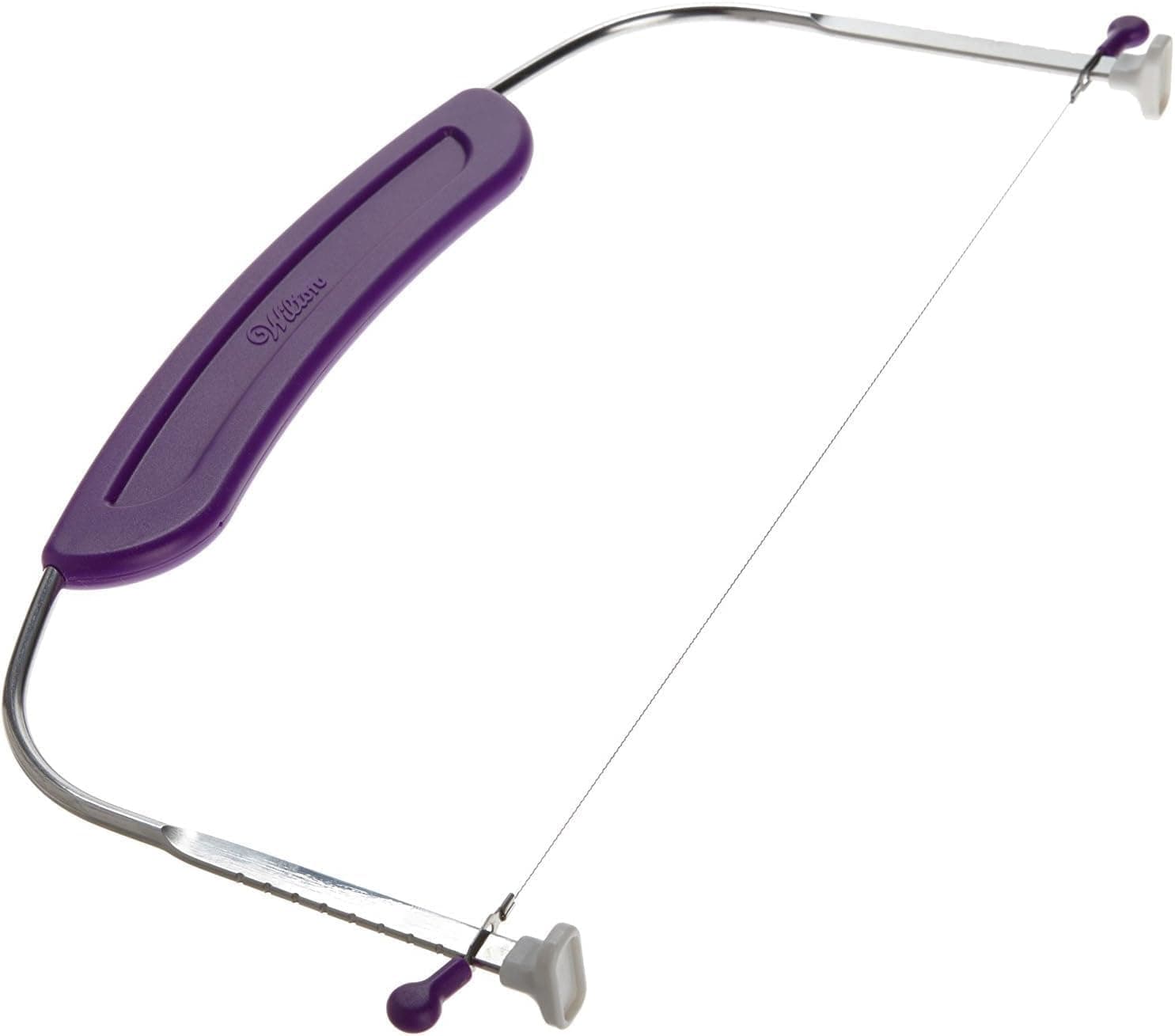
Uneven layers create gaps and air pockets. Level cake tops with a cake leveler or serrated knife and press layers gently when stacking.
Chill layers slightly before assembling so they are easier to handle and less likely to shift. Brush away crumbs to help filling adhere.
Support tall and tiered cakes
Tall cakes and tiered cakes need dowels and cake boards to support weight. Without support, upper layers compress lower layers and push filling out.
Insert dowels cut to the cake height and place a cake board under each tier. Heavy decorations should also have support.
Watch temperature changes
Moving a cold cake into a warm room causes air to expand and buttercream to soften, increasing bulging risk. Allow cakes to come to room temperature gradually if needed.
Store decorated cakes in cool areas away from direct sunlight and heat sources. Deliver cakes in air-conditioned vehicles in warm weather.
Fixing a bulge that has already formed
If a bulge appears on a finished buttercream cake, chill the cake until the frosting is firm. Then carefully scrape the bulging area level with a bench scraper or offset spatula, fill any low spots with fresh buttercream and smooth the whole side again.
On fondant cakes, a small bulge can sometimes be eased by pricking a tiny hole with a pin to release trapped air and gently smoothing the area with a fondant smoother. Larger bulges are easier to hide with a ribbon, piped border or decorations than to repair completely.